Technology based Solutions

We Design Solutions As per your Requirements

Seventy Nine Blocks

79Blocks is our Blockchain-as-a-Service offering designed to optimize complex business ecosystems such as supply chains, logistics, and asset management.

By leveraging real-time tracking and immutable data records, organizations can improve accountability, transparency, and operational efficiency—especially in environments with multiple moving parts.

Block Chain is not a bitcoin or any crypto-currency. As the name suggests it is a list of(blocks), a distributed collection of immutable data or code which is linked and secured with some crypto-hash(Fingerprint) and is publicly available over the INTERNET. Each child block has a crypto-hash of its parent block. Bitcoin and other cryptocurrencies are the most popular examples of blockchain usage. Financial transactions, real estate, asset management, health-care services, and many more uses are being explored.

Enterprise Blockchain Built to Optimize Real Business Processes

“Why Blockchain?” is a million dollar question now. It was the same case when internet entered into our lives in the late ’90s, and everyone questioned: “Why Internet?”

While we know today’s Web, Mobile, and Cloud Applications are near to Real-Time, and as Secure as anything else, Business’s are not finding a clear reason on why and where Blockchain can be applied. Does it replace existing ERP? Or is it complementary to what today’s industries or businesses have?

Identifying the right use case for Blockchain is the most daunting task. Our experts have 20+ industry and Technology experience who can understand your end to end processes and can help you in identifying core area where blockchain can fit into, and we can guide you step by step on one of the Four D’s (Discover, Define, Develop & Deploy)

Let’s Identify the Right Blockchain Use Case for Your Business

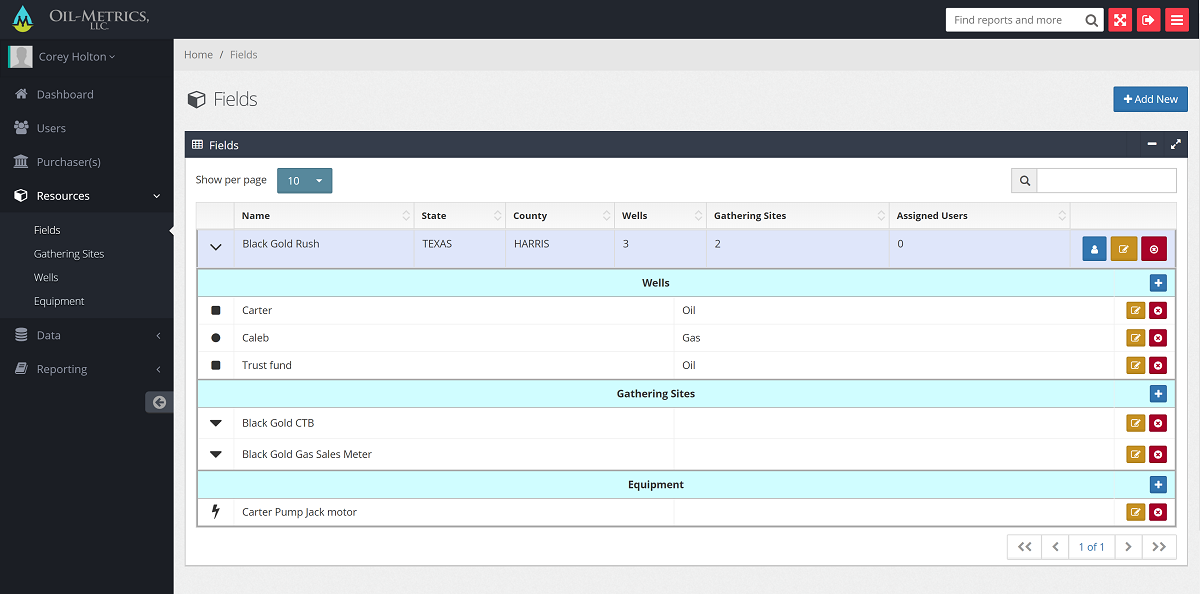
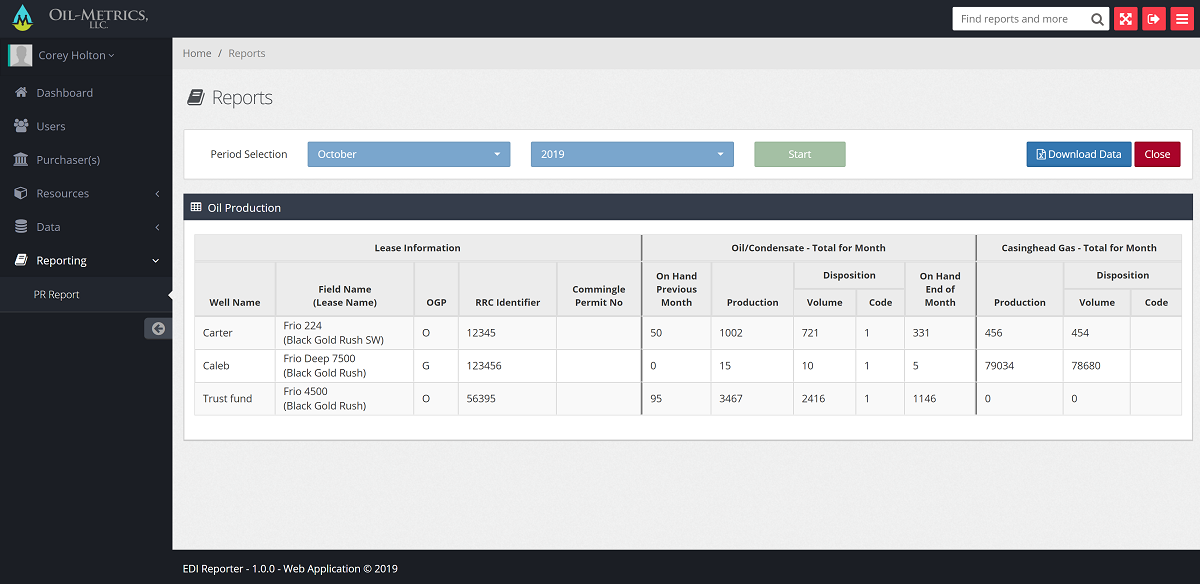
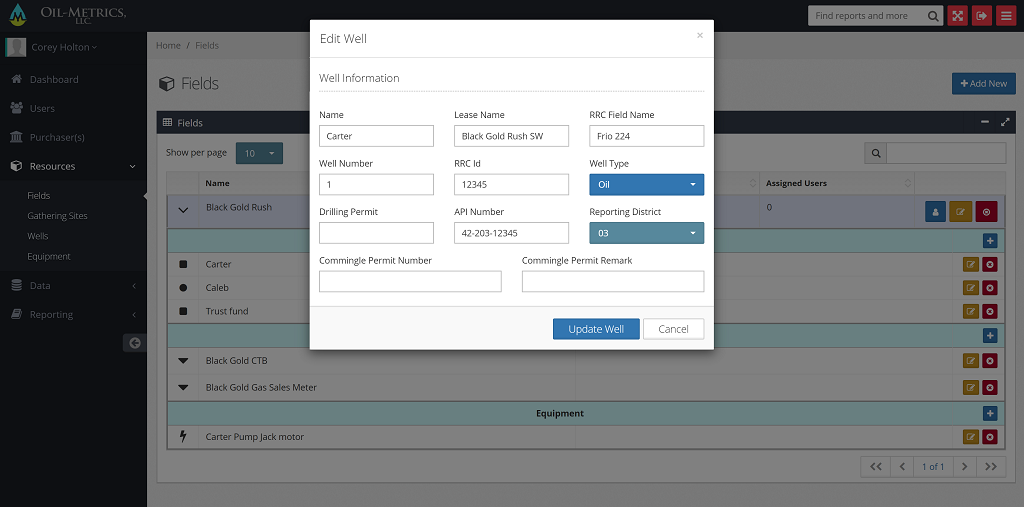
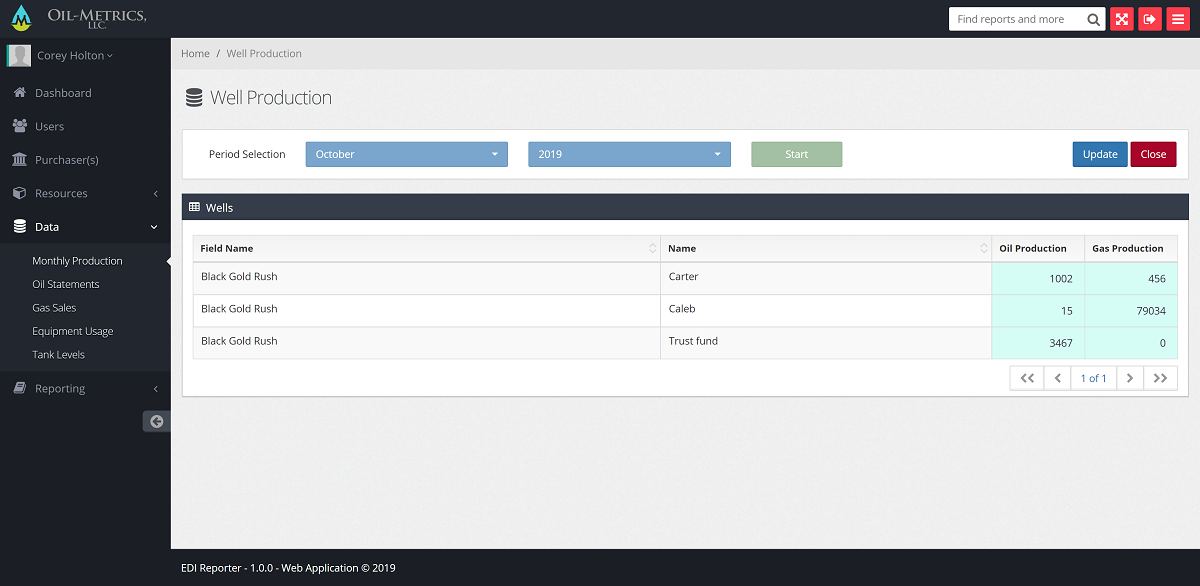
Oil and gas state reporting, the easy way

Create state reports with the click of a button

Our solution is focused on providing exact reporting and a verified data source
  • Manage your resources
  • Collect Data
  • Verified data
  • Reconcile run statements
  • Monthly allocations
  • Reports and Charts

Take a look at some screenshots of the application

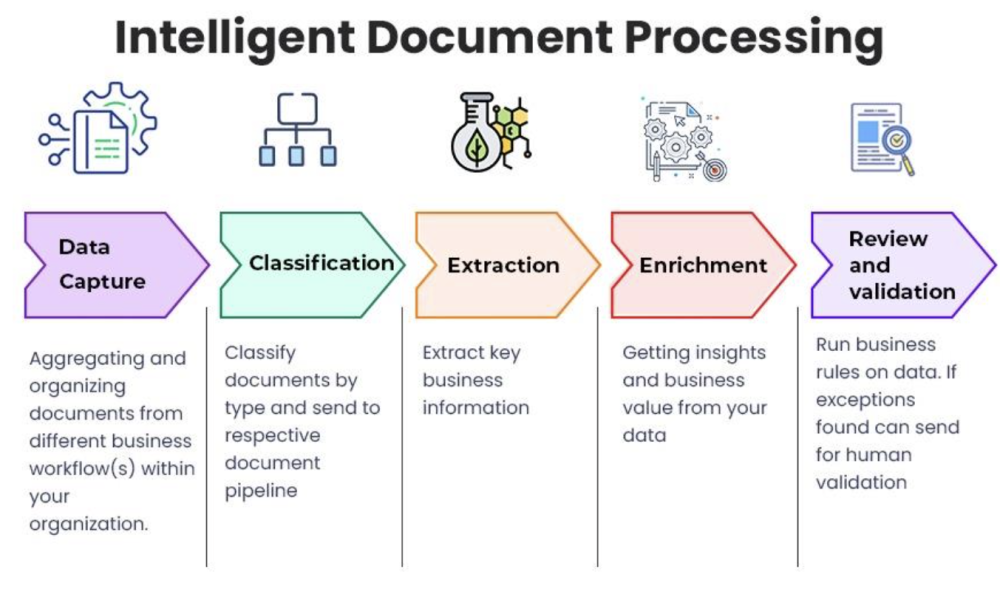
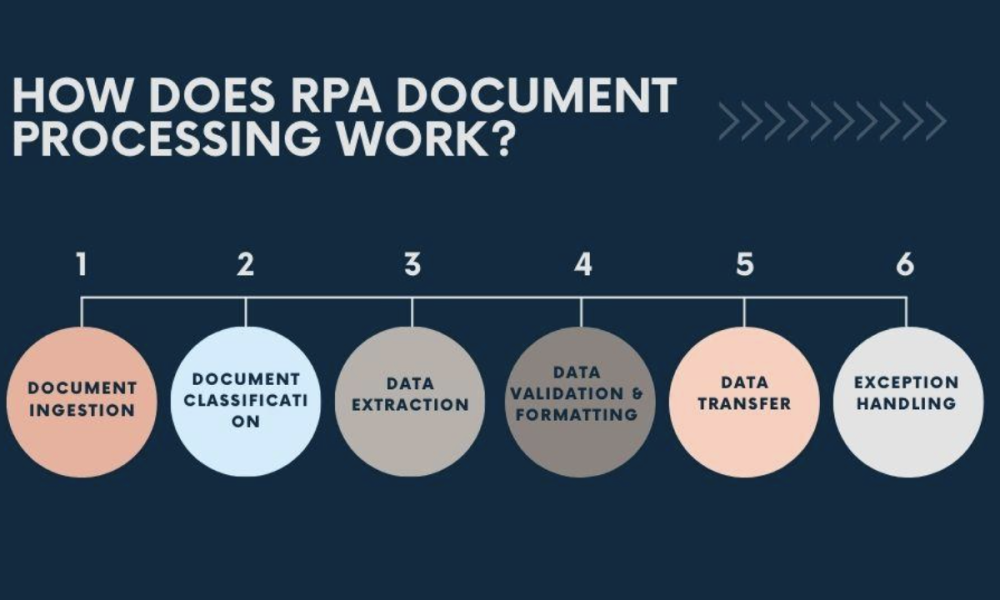
Documentation Classification Using RPA+AI

A system that automates the intake, understanding, and routing of enterprise documents by combining RoboticProcess Automation(RPA) with AIdrivenclassificationandextraction.
What the Product Does

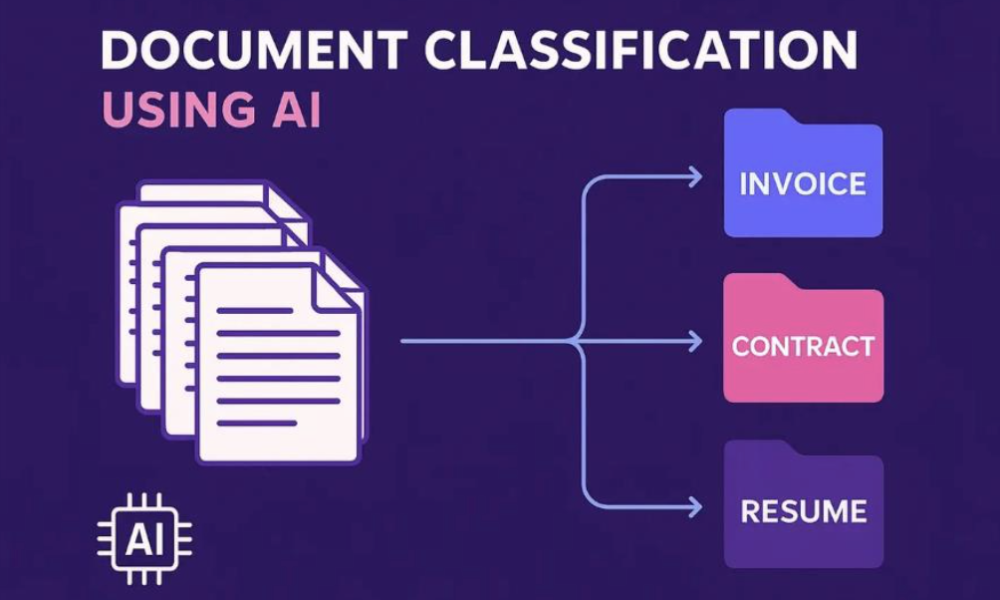
The product automatically receives documents from multiple sources, identifies their type, extracts key information, and routes them to the correct workflow or system. It eliminates manual review, reduces errors, and accelerates processing.
Core Capabilities
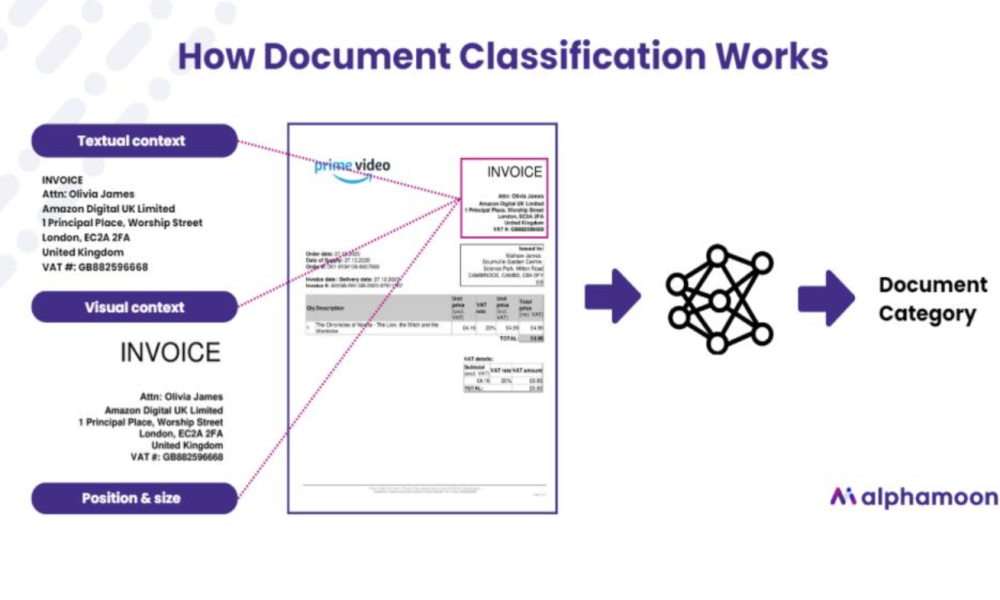
  • AI based Document Understanding: Uses NLP/ML models to classify documents (e.g., invoices, contracts, forms, reports).
  • Intelligent DataExtraction: Extracts entities such as names, dates, IDs, totals, or Domain Specific fields.
  • RPAWorkflowAutomation: Bots handle repetitive tasks like downloading files, renaming, updating systems, and routing documents.
  • Confidence Scoring& HumanintheLoop: Low: confidence classifications are flagged for review, improving accuracy over time.
  • Audit &Traceability: Every action is logged for compliance and reporting.
 
  • Input Layer: Email inboxes, shared drives, portals, scanners, APIs.
  • Preprocessing: OCR, noise removal, text normalization.
  • AI Classification Engine: ML/NLP models trained on labeled document sets.
  • RPA Orchestration: Bots execute business rules, integrate with ERP/CRM/SharePoint, and manage exceptions.
  • Output Layer: Document storage, workflow queues, dashboards, notifications.
  • 80–90% reductionin manual documenthandling
  • Faster processingtimes and improved SLA compliance
  • Higher accuracy through AI driven classification
  • Scalable across departments (HR, Finance, Operations, Legal)
  • Loweroperational cost and reduced human error
  • Improvedcompliance with automated audit trails
  • Classifying utility industry documents (work orders, outage reports, compliance forms)
  • Sorting invoices and routing them to AP workflows
  • Processing customer correspondence and categorizing service requests
  • Organizing regulatory documents for audits
  • Automating onboarding document classification in HR